
Dental implants have changed the way tooth loss is treated. For patients who have lived with a gap in their smile or struggled with an uncomfortable denture, implants offer something the other options simply cannot: a replacement that functions and feels like a natural tooth, anchored directly into the jaw.
But before committing to treatment, most patients want to know one thing above all else. How long is this actually going to last?
It is a fair and important question. Implants involve a surgical procedure, a healing period, and a meaningful financial investment. Understanding what determines how long they last, and what you can do to protect that outcome, is something every patient deserves to know before making a decision.
This guide is written for anyone considering dental implants in Woodbridge who wants an honest, practical picture of what to expect over the long term.
What a Dental Implant Actually Is
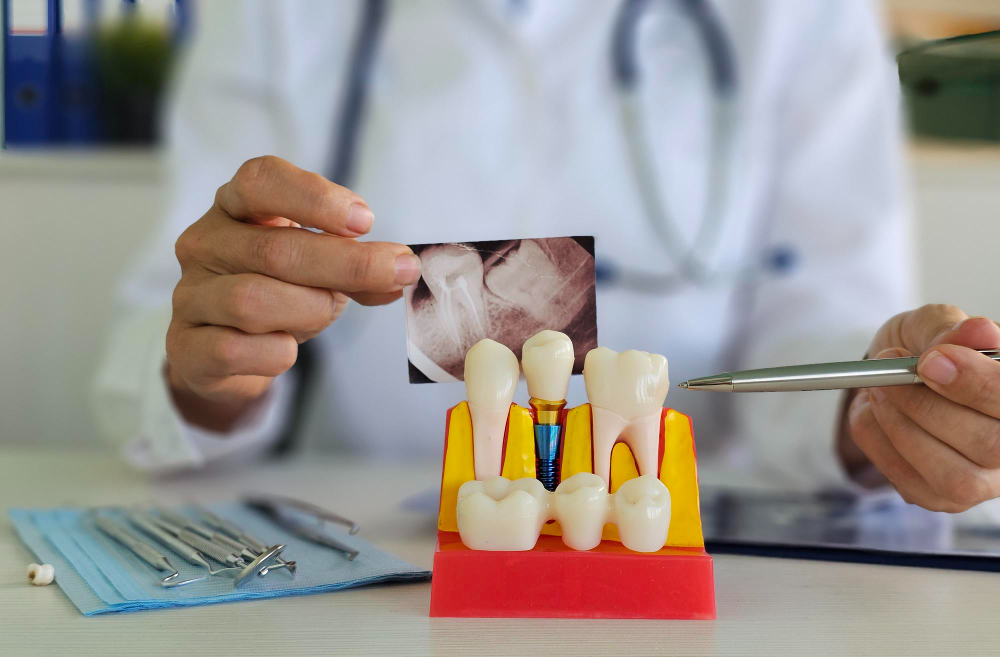
Before discussing longevity, it helps to understand what you are actually getting. A dental implant is made up of three components, each with its own lifespan consideration.
The implant post is a small titanium screw placed surgically into the jawbone. Over several months, it fuses with the surrounding bone through a process called osseointegration. This fusion is what gives the implant its stability and sets it apart from every other tooth replacement Woodbridge patients have access to.
The abutment is a connector piece that sits on top of the implant post and holds the crown in place.
The crown is the visible part of the restoration, shaped and coloured to match your surrounding teeth. It is the component most exposed to daily wear and is the part most likely to need attention over time.
When patients ask how long an implant lasts, the answer differs depending on which component they are referring to. The post can last a lifetime in many cases. The crown typically has a lifespan of 10 to 15 years before it may need replacing, though this varies considerably depending on care and habits.
How Long Do Dental Implants Last?
Clinical data on implant longevity are extensive. Long-term studies consistently show survival rates above 95 percent over ten years for patients in good general health who maintain proper oral hygiene. Many patients seeking dental implants in Woodbridge keep their implants for 20 or 30 years or longer without any significant issues.
That said, these outcomes are not automatic. They reflect patients who followed through on aftercare, attended regular dental appointments, and did not have significant risk factors working against them.
The distinction between the implant post and the crown matters here. Many patients who require a new crown after 10 to 15 years assume their implant has failed. In most of these cases, the post is completely intact and a new crown is simply fitted onto the existing implant. The implant itself has not failed at all.
What Affects How Long an Implant Lasts
Bone Density and Jaw Health
The foundation of a successful implant is the bone into which it is placed. For osseointegration to occur properly, the jawbone needs adequate density and volume at the implant site. Patients who have been missing a tooth for a long time often experience bone resorption in that area, where the jaw gradually loses volume without the stimulation of a tooth root.
In these cases, a bone graft may be recommended before implant placement to rebuild the site and create a stable enough foundation. Proceeding without sufficient bone density significantly increases the risk of implant failure, regardless of how well everything else is managed.
Oral Hygiene
Dental implants cannot develop decay the way natural teeth do. However, the gum tissue and bone surrounding them are fully susceptible to bacterial infection. Peri-implantitis is an inflammatory condition affecting the tissue around an implant and is one of the most common causes of implant failure. It develops the same way gum disease develops around natural teeth, through inadequate cleaning and bacterial buildup.
Brushing twice daily, flossing around the implant, and visiting a dentist in Woodbridge, Ontario, for professional cleanings every six months are not optional extras. They are the primary reason dental implants Woodbridge either last decades or begin to fail prematurely.
Smoking
Smoking affects implant outcomes at multiple stages. During the healing phase, it reduces blood flow to the gum tissue and slows the osseointegration process. Over the longer term, it increases the risk of peri-implantitis and compromises the body’s ability to maintain healthy tissue around the implant.
Patients who smoke face measurably higher rates of implant failure compared to non-smokers. Many dental professionals recommend stopping smoking before implant placement and throughout the healing period at a minimum. The long-term prognosis for implants in non-smokers is considerably stronger across the board.
Teeth Grinding and Clenching
Bruxism, the habit of grinding or clenching teeth during sleep, places excessive and repetitive force on implants. Over time, this pressure can loosen the crown, wear down the abutment, or, in more severe cases, compromise the stability of the implant post itself.
Patients with bruxism are not automatically excluded from implant treatment. However, the condition needs to be identified and properly managed before and after placement. A custom night guard protects the implant and surrounding teeth from the damaging effects of grinding. This is one of the reasons addressing general dentistry concerns thoroughly before implant treatment matters as much as the procedure itself.
Overall Health
Certain health conditions affect how the body heals and integrates an implant. Uncontrolled diabetes impairs healing and increases infection risk. Patients undergoing radiation therapy to the head or neck area face additional challenges with osseointegration. Some medications also affect bone metabolism in ways that can impact implant outcomes.
None of these factors necessarily rules out implant treatment. They do mean that a thorough medical history review is an essential part of the assessment process so that risks are understood and managed appropriately from the start. Consulting an experienced implant dentist in Vaughan before committing to treatment ensures you have a full picture of your suitability.
Quality of the Initial Placement
Long-term implant success begins with the procedure itself. Placement depth, angle, and positioning all affect how evenly bite forces are distributed across the implant and how well it integrates with the surrounding bone. An implant placed without proper assessment and planning carries a higher risk of complications, regardless of how well the patient manages their aftercare.
Implants Compared to Other Tooth Replacement Options
Understanding implant longevity becomes clearer when placed alongside the alternatives available to patients.
Implant dentures Vaughan patients choose typically require relining or replacement every five to eight years as the jawbone changes shape over time. They do not stimulate the bone the way a natural root does, which means bone resorption continues after tooth loss and the fit of the denture gradually changes.
Dental bridges can last 10 to 15 years, but require reducing the structure of adjacent healthy teeth to support the restoration. They also do not address bone loss beneath the gap. Over a 20 to 30-year period, the total cost and dental work involved in maintaining a bridge often exceeds that of a properly placed implant.
Patients exploring tooth replacement Woodbridge will find that dental implants Vaughan are the only option that actively preserves bone volume by replicating the stimulating function of a natural root. This benefit extends beyond aesthetics and directly affects the long-term health of the jaw and surrounding teeth.
How to Give Your Implant the Best Chance of Lasting
The steps below are practical and within every patient’s control:
- Brush at least twice daily using a soft-bristle toothbrush
- Floss daily around the implant using implant-specific floss or an interdental brush
- Visit a dentist in Woodbridge, Ontario, for professional cleanings every six months without exception
- Wear a custom night guard if you grind or clench your teeth
- Stop smoking or seek support to do so before and after treatment
- Avoid using your teeth to open packaging or bite down on hard objects
- Keep any systemic health conditions well-managed in consultation with your doctor
Frequently Asked Questions
Can a dental implant fall out?
Implant failure is uncommon but possible. It can occur if osseointegration does not complete successfully, if peri-implantitis develops and goes untreated, or if the implant is subjected to excessive force before it has fully healed. Early identification of any issues gives the best opportunity for intervention before complete failure occurs.
Is there an age limit for dental implants?
There is no upper age limit. Implants are successfully placed in patients well into their seventies and eighties when overall health supports it. Implants are generally not placed in younger patients whose jawbones are still developing, typically before the late teenage years.
Do dental implants require special cleaning products?
Not necessarily. A soft-bristle toothbrush and non-abrasive toothpaste are suitable for daily cleaning. Some patients find a water flosser helpful for cleaning around the implant. Your dentist will recommend the most appropriate routine based on your specific situation.
What happens if an implant fails?
In many cases, a failed implant can be removed, the site allowed to heal, and a new implant placed after the cause of failure has been identified and addressed. Success rates for replacement implants are generally good when the underlying issue has been properly managed.
Are dental implants covered by insurance in Ontario?
Coverage varies between plans. Many standard dental insurance plans in Ontario do not cover implants or cover only a portion of the associated costs. Checking your specific plan details and discussing payment options with your dental provider before treatment begins is always worthwhile.
Making the Right Choice for Your Smile
Dental implants offer a level of durability and functionality that no other tooth replacement option currently matches. For most patients in good health who commit to proper aftercare, dental implants placed today in Woodbridge have every reason to still be functioning reliably decades from now. The key is going in with a clear understanding of what affects that outcome and taking the steps within your control seriously from day one. At West Vaughan Dental, the team is here to help you explore your options. Learn more about dental implants in Woodbridge or reach out through our Contact Us page to book a consultation.