
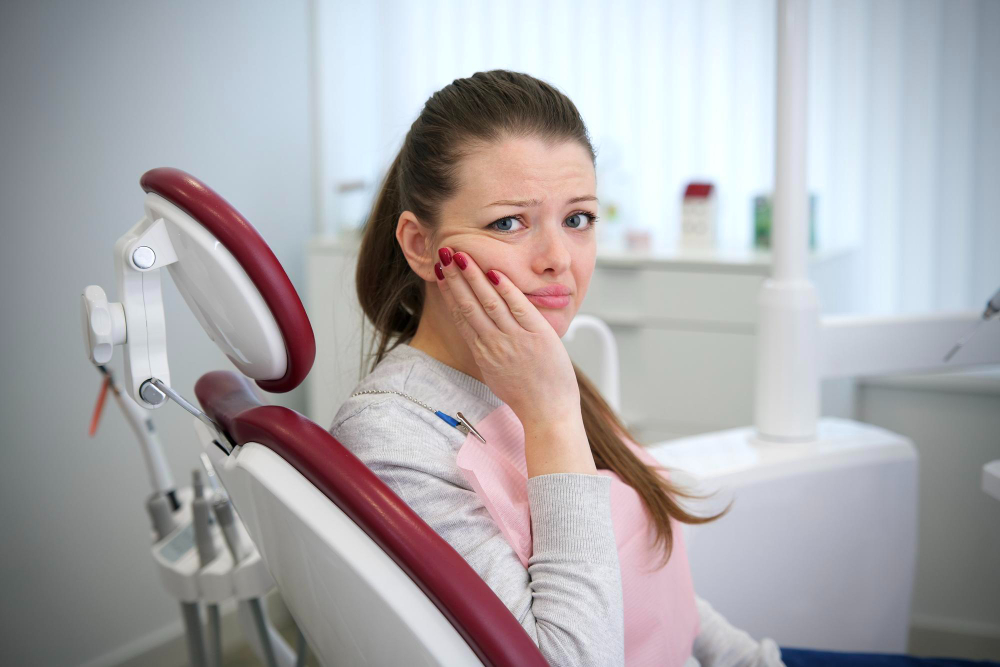
Most people have experienced it at some point. A sip of cold water, a bite of ice cream, or a breath of cold air that triggers a sudden sharp pain in one or more teeth. It passes quickly, but it is uncomfortable enough to notice, and over time it becomes something you start working around, choosing warmer drinks, avoiding certain foods, or breathing through your nose on cold days.
Tooth sensitivity is extremely common. It affects a significant proportion of adults at some point in their lives, and for many patients it becomes such a familiar part of daily life that they stop thinking of it as something that needs attention. They reach for a sensitive toothpaste, find that it helps somewhat, and carry on.
The problem with this approach is that sensitivity is a symptom, not a condition in itself. It is the tooth’s way of signalling that something has changed. Sometimes that change is minor and manageable. Sometimes it points to an underlying issue that will worsen without professional attention. Understanding what is actually causing your sensitivity is the only way to address it properly rather than simply masking it.
This guide is written for patients in Woodbridge and Vaughan who want a clear explanation of what causes tooth sensitivity, what can be done about it, and when it is time to visit a dental clinic in Woodbridge for a professional assessment.
How Tooth Sensitivity Works
To understand why teeth become sensitive, it helps to understand the basic structure of a tooth.
The outer layer of the tooth is enamel, the hardest substance in the human body. Beneath the enamel is a layer called dentine, which contains thousands of microscopic fluid-filled channels called dentinal tubules. These tubules run from the surface of the dentine all the way to the nerve at the centre of the tooth.
When the enamel is intact, and the gum tissue is healthy and covering the root surface, the dentine is protected from external stimuli. Sensitivity develops when something exposes the dentine, either by wearing away the enamel that covers it on the crown of the tooth or by causing the gum tissue to recede and expose the root surface, which is covered only by a thin layer called cementum rather than the thicker protective enamel.
Once the dentine is exposed, temperature changes, sweet or acidic foods, pressure, and even cold air can trigger movement of the fluid within the dentinal tubules. This fluid movement stimulates the nerve inside the tooth and produces the sharp, brief pain that patients describe as sensitivity.
Common Causes of Tooth Sensitivity
Enamel Erosion
Enamel erosion occurs when acid gradually wears away the outer surface of the teeth. The most common dietary sources of this acid are carbonated drinks, citrus fruits, fruit juices, wine, and vinegar-based foods. Acid reflux and frequent vomiting, such as in patients with eating disorders or severe acid reflux disease, can also expose the teeth to stomach acid and cause significant enamel erosion over time.
As the enamel thins, the dentine beneath becomes increasingly accessible to external stimuli and sensitivity develops. Enamel erosion is permanent. Once enamel is lost it does not regenerate, which is why addressing the dietary or medical causes early matters significantly.
Patients who consume acidic foods and drinks frequently are advised to rinse with water afterward rather than brushing immediately. Brushing immediately after acid exposure can accelerate enamel loss because the enamel is temporarily softened by the acid and more vulnerable to abrasion.
Gum Recession
The roots of the teeth are not covered by enamel. When the gum tissue recedes and exposes the root surface, the dentinal tubules in the cementum layer become accessible to the same triggers that cause sensitivity on the crown of the tooth. Root sensitivity is often more intense than crown sensitivity because the cementum layer is considerably thinner than enamel.
Gum recession can occur as a result of gum disease, aggressive brushing technique, genetics, or hormonal changes. Patients who brush too hard or who use a hard-bristled toothbrush often contribute to recession over time without realizing it.
Patients experiencing sensitivity along the gumline rather than across the entire tooth surface should have their gum health assessed at a general dentistry Woodbridge practice as gum recession is frequently associated with early or developing periodontal disease.
Teeth Grinding and Clenching
Bruxism places excessive and repetitive force on the teeth, gradually wearing down the enamel on the biting surfaces. As the enamel thins through grinding, the dentine beneath becomes exposed and sensitivity to temperature and pressure develops.
Patients who grind their teeth often notice sensitivity on multiple teeth simultaneously rather than in a single isolated tooth. They may also notice that their teeth look flatter or shorter than they used to, which is the visible result of enamel wear from prolonged grinding.
A custom night guard from a family dentist in Vaughan protects the teeth from the forces of grinding during sleep and prevents further enamel loss. However, the enamel that has already been lost cannot be restored through a night guard alone. Depending on the extent of the wear, restorative treatment may also be needed to rebuild the affected teeth.
Cracked or Fractured Teeth
A crack in a tooth can cause sensitivity that is difficult to pinpoint. Patients with a cracked tooth often describe sensitivity that is triggered by biting in a specific way, or that is more intense than the brief sensitivity associated with exposed dentine.
Cracks allow bacteria, temperature changes, and pressure to reach the inner structure of the tooth more directly. If a crack extends into the pulp of the tooth, the sensitivity can progress to persistent pain that no longer resolves quickly after the trigger is removed.
Cracked teeth require professional assessment at a dentist in Woodbridge, Ontario, to determine the extent of the crack and the most appropriate treatment. A crack that is identified and treated early can often be managed with a crown. A crack that is left untreated can deepen and eventually result in the loss of the tooth.
Tooth Decay
Cavities that penetrate through the enamel and approach the dentine can cause sensitivity to sweet foods, cold temperatures, and in more advanced cases, heat. Many patients assume their sensitivity is due to another cause without realizing that untreated decay may be the underlying factor.
Sensitivity caused by decay tends to be localized to a specific tooth rather than affecting multiple teeth and may be accompanied by a visible dark spot, a rough texture when running the tongue over the tooth, or food consistently getting caught in the same area.
Any sensitivity that is isolated to a single tooth and does not have an obvious explanation such as recent dental treatment warrants an assessment at a Woodbridge dental clinic to rule out decay as the cause.
Recent Dental Treatment
It is entirely normal to experience some degree of sensitivity following dental procedures, including fillings, crowns, teeth whitening, and scaling. Post-treatment sensitivity is usually temporary and resolves within a few days to a couple of weeks as the tooth settles.
If sensitivity following a dental procedure persists beyond two weeks or is worsening rather than improving, contact your dental practice to have the tooth assessed. Persistent post-treatment sensitivity can occasionally indicate that a filling is sitting too high and affecting the bite or that the pulp of the tooth has been affected by the procedure.
Overbrushing
Brushing with excessive force or using a medium or hard-bristled toothbrush causes two types of damage that contribute to sensitivity. It wears away the enamel on the tooth surface through abrasion, and it causes the gum tissue to recede over time, exposing the vulnerable root surfaces.
Patients who overbrush often notice horizontal scratch marks or grooves at the gumline on the affected teeth. These grooves, known as abrasion lesions, expose the dentine directly and are a common source of sensitivity along the gumline.
Switching to a soft-bristled toothbrush and using gentle circular motions rather than horizontal scrubbing is a simple change that prevents further damage. Existing abrasion lesions can be treated with composite bonding to cover the exposed dentine and eliminate the sensitivity.
When Sensitive Toothpaste Is Not Enough
Sensitive toothpaste works by blocking the dentinal tubules or desensitizing the nerve endings within them, which reduces the intensity of the sensitivity response. For mild sensitivity caused by minor enamel wear or temporary gum changes, sensitive toothpaste can be genuinely helpful as part of a daily routine.
However, sensitive toothpaste addresses the symptom rather than the cause. If the underlying reason for the sensitivity is gum disease, decay, a crack, significant enamel erosion, or bruxism, masking the sensation with sensitive toothpaste delays the treatment of a condition that is continuing to progress beneath the surface.
Sensitive toothpaste is a reasonable first step for mild, generalized sensitivity that has no other obvious cause. It should not be used as a long-term substitute for professional assessment when sensitivity is persistent, worsening, localized to a specific tooth, or accompanied by other symptoms.
What Dentists Recommend for Sensitive Teeth
The treatment for tooth sensitivity depends entirely on the underlying cause identified during a clinical assessment.
For enamel erosion, treatment focuses on addressing the dietary or medical cause, applying fluoride varnish to strengthen remaining enamel, and in more significant cases bonding or other restorative approaches to cover the exposed dentine.
For gum recession caused by gum disease, treatment of the periodontal condition is the priority. Once the disease is stabilized, the exposed root surfaces can be treated with desensitizing agents or, in more significant cases, with gum grafting to restore tissue coverage.
For bruxism, a custom night guard is the primary protective measure alongside any restorative work needed to address existing enamel loss.
For decay or cracks, the appropriate restorative treatment, such as a filling or crown, addresses the sensitivity by removing the cause and sealing the tooth.
For overbrushing, switching technique and toothbrush type stops further damage, and abrasion lesions can be treated with composite bonding where needed.
Patients attending a general dentistry Woodbridge practice for a sensitivity assessment can expect a thorough clinical examination, including X-rays where indicated to identify the most likely cause and discuss the appropriate treatment options.
Protecting Your Teeth From Sensitivity
Several practical steps help prevent sensitivity from developing or worsening:
- Use a soft-bristled toothbrush and gentle pressure when brushing
- Brush twice daily with a fluoride toothpaste to strengthen enamel
- Rinse with water after consuming acidic foods and drinks rather than brushing immediately
- Wear a custom night guard if you grind or clench your teeth
- Attend regular checkups at your dental clinic in Woodbridge so developing issues are identified early
- Address any signs of gum disease promptly before recession becomes significant
- Limit the frequency of acidic and sugary foods and drinks in your diet
Frequently Asked Questions
Is tooth sensitivity always a sign of a serious problem?
Not always. Mild sensitivity that comes and goes and is not localized to a single tooth is often related to minor enamel wear or temporary gum changes and may be manageable with sensitive toothpaste and adjustments to diet and brushing technique. Severe sensitivity, worsening, persistent, or isolated to a specific tooth warrants professional assessment to rule out decay, cracks, or gum disease.
Can sensitivity go away on its own?
Sensitivity related to recent dental treatment typically resolves on its own within a few weeks. Sensitivity caused by an underlying condition such as decay, gum recession, or a crack will not resolve without treatment and will generally worsen over time as the condition progresses.
How do I know if my sensitivity is caused by grinding?
Signs that grinding may be contributing include sensitivity affecting multiple teeth simultaneously, teeth that appear flatter or shorter than they used to, jaw soreness or headaches on waking, and a partner reporting hearing grinding sounds during sleep. A dentist can identify the characteristic wear patterns associated with bruxism during a routine examination.
Does teeth whitening cause permanent sensitivity?
No. Sensitivity following professional teeth whitening is common but temporary. It typically resolves within a few days to a week after treatment. Patients with pre-existing sensitivity should discuss this with their dentist before undergoing whitening so the most appropriate approach can be recommended.
At what point should I see a dentist for sensitive teeth?
If sensitivity is affecting your daily life, is localized to a specific tooth, is worsening over time, is accompanied by visible changes to the tooth or gum tissue, or does not improve after several weeks of using sensitive toothpaste, it is time to book an assessment at a dentist in Woodbridge, Ontario rather than continuing to manage the symptom at home.
Do Not Ignore What Your Teeth Are Telling You
Tooth sensitivity is one of the most common reasons patients visit a dental practice and one of the most commonly ignored symptoms in between visits. It is easy to adapt to it, work around it, and treat it as an inconvenience rather than a signal worth investigating.
The patients who benefit most from addressing sensitivity are those who act on it early, before the underlying cause has had the opportunity to progress to something more complex and more costly to treat. A brief assessment at a general dentistry Woodbridge practice is often all it takes to identify the cause, provide appropriate treatment, and eliminate the sensitivity rather than simply managing it indefinitely.
At West Vaughan Dental, the team is here to help you understand what is causing your sensitivity and what can be done about it. Learn more about general dentistry in Woodbridge or get in touch through our Contact Us page to book your appointment.