

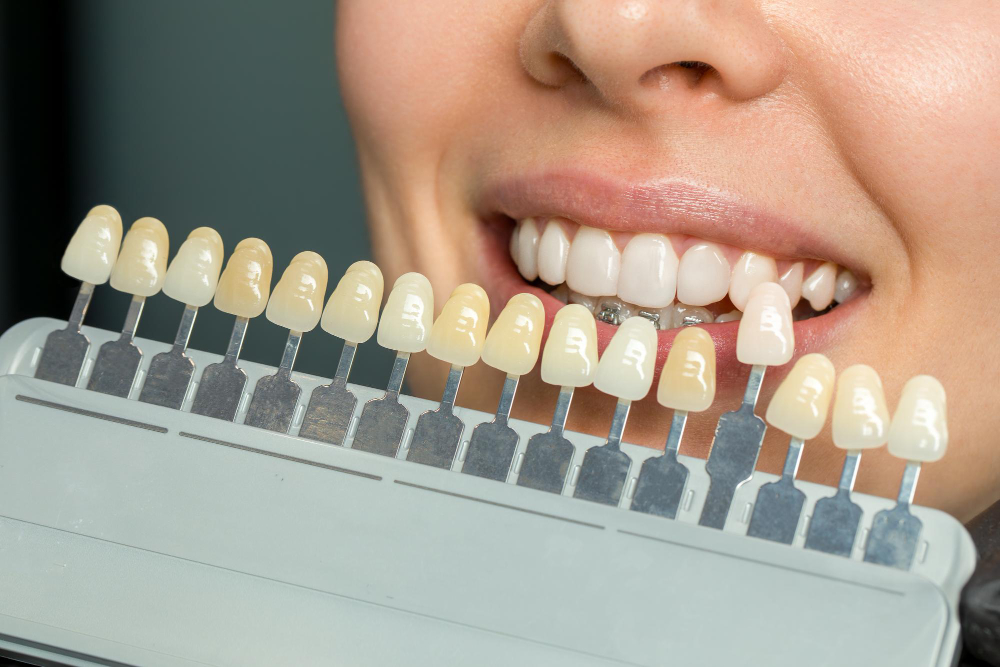
Porcelain veneers are one of the most significant investments a patient can make in their smile. They deliver dramatic, natural-looking results that can transform the appearance of teeth that are chipped, discoloured, uneven, or poorly proportioned. But before committing to the procedure, most patients want to know one practical thing above all else: how long are they actually going to last?
It is a fair question. Veneers require the removal of a small amount of enamel from the front surface of the tooth, which means the decision is permanent. Understanding what determines how long they last and what you can do to protect them helps you go into the process with realistic expectations and a clear plan for looking after your results.
This guide is written for patients in Woodbridge and Vaughan who are considering porcelain veneers in Woodbridge or who already have them and want to know how to get the most out of their investment.
What Are Porcelain Veneers?
A porcelain veneer is a thin shell of dental ceramic that is custom-made to fit over the front surface of a tooth. It covers imperfections and creates the appearance of a natural, healthy tooth that matches the shape, size, and colour the patient and dentist have agreed on during the planning process.
Veneers are used to address a range of cosmetic concerns including permanent discolouration that does not respond to whitening, chips and cracks, minor misalignment, gaps between teeth, and teeth that are too small or poorly proportioned relative to the rest of the smile.
The procedure involves removing a thin layer of enamel from the front of the tooth to create space for the veneer to sit flush with the surrounding teeth. Impressions are taken and sent to a dental laboratory where each veneer is individually fabricated. A temporary veneer protects the tooth while the permanent restoration is being made.
How Long Do Porcelain Veneers Last?
With proper care, porcelain veneers Woodbridge patients receive typically last between 10 and 15 years. Many patients keep their veneers for considerably longer. There are documented cases of veneers lasting 20 years or more when the patient has maintained excellent oral hygiene and avoided habits that place excessive stress on the restorations.
The lifespan is not fixed. It varies considerably depending on a combination of factors, some clinical and some within the patient’s direct control. Understanding these factors gives you a realistic picture of what to expect and what you can do to influence the outcome.
What Affects How Long Porcelain Veneers Last?
The Quality of the Initial Fabrication and Placement
Veneer longevity begins with the quality of the work. A veneer that is fabricated to precise specifications, bonded correctly, and adjusted carefully to fit the patient’s bite has a significantly better chance of lasting its full potential lifespan than one that was poorly made or inadequately fitted.
The margin where the veneer meets the natural tooth structure is particularly important. A well-sealed margin prevents bacteria from penetrating beneath the veneer, which is one of the primary causes of premature failure. Choosing an experienced cosmetic dentist in Woodbridge for your treatment is one of the most important decisions you will make in this process.
Teeth Grinding and Clenching
Bruxism is one of the most significant threats to veneer longevity. The forces generated during grinding and clenching are far greater than those involved in normal chewing, and porcelain, while durable, is not designed to withstand that level of repeated stress indefinitely.
Patients who grind their teeth are not automatically excluded from veneer treatment, but the condition must be identified and managed before and after placement. A custom night guard is essential for protecting veneers from the damaging effects of bruxism during sleep. Patients who proceed with veneers without addressing an underlying grinding habit are likely to experience chipping or fracture of the porcelain well before the expected lifespan has been reached.
Oral Hygiene
The veneer itself cannot decay, but the natural tooth structure beneath it and the gum tissue surrounding it absolutely can be affected by inadequate oral hygiene. Decay developing at the margin where the veneer meets the tooth can undermine the bond and require the veneer to be replaced. Gum disease affecting the tissue around a veneered tooth can cause the gum to recede, exposing the margin of the veneer and affecting both the appearance and the integrity of the restoration.
Brushing twice daily, flossing around veneered teeth, and attending regular professional cleanings at a dental clinic in Woodbridge are not optional for patients with veneers. They are what keeps the underlying tooth and surrounding tissue healthy enough to support the restoration long term.
Diet and Lifestyle Habits
Porcelain is stain-resistant, but it is not indestructible. Certain habits place unnecessary stress on veneers and increase the risk of chipping or fracture.
Biting into very hard foods directly on the veneered teeth, using teeth to open packaging, biting nails, or chewing on hard objects such as ice are habits that can crack or chip porcelain veneers. The front teeth that typically receive veneers are not designed to bear the same forces as the back teeth and should be treated accordingly.
While porcelain itself does not stain the way natural enamel does, the composite cement used to bond the veneer to the tooth can pick up some discolouration over time, particularly at the margins. Excessive consumption of staining foods and drinks can affect the appearance of this cement line gradually. This is a separate consideration from the veneer surface itself.
Bite and Jaw Function
How the upper and lower teeth come together plays a role in how veneers wear over time. A bite that places uneven pressure on veneered teeth accelerates wear and increases the risk of fracture. Your dentist will assess and adjust the bite as part of the veneer fitting process to ensure the forces of chewing are distributed as evenly as possible.
Patients with existing bite issues may benefit from addressing these through orthodontic treatment before proceeding with veneers for the best long-term outcome.
How to Maintain Your Porcelain Veneers
The steps below are straightforward and make a genuine difference to how long veneers last.
Brush twice daily using a soft-bristled toothbrush and a non abrasive toothpaste. Abrasive toothpastes can scratch the surface of the porcelain over time, dulling its appearance and making it more susceptible to staining at the surface level. Avoid whitening toothpastes with coarse abrasives for the same reason.
Floss daily around each veneered tooth, paying attention to the gumline. This removes plaque from the margin where the veneer meets the tooth and keeps the surrounding gum tissue healthy.
Wear a custom night guard if you grind or clench your teeth. This is the single most important protective measure for patients with bruxism. A well-fitted night guard absorbs and redistributes the forces generated during grinding and protects the porcelain from stress fractures and chipping.
Avoid biting directly into very hard foods with the veneered teeth. Cutting food into smaller pieces before eating and being mindful of using the back teeth for harder foods reduces the risk of chipping the porcelain.
Attend regular checkups at your porcelain veneers Vaughan dental practice. Your dentist can monitor the condition of the veneers at each visit, check the integrity of the margins, assess the health of the surrounding gum tissue, and identify any early signs of wear or damage before they become more significant problems.
Limit habits that place unnecessary stress on the front teeth. Nail biting, pen chewing, and using teeth to open packaging are all habits that put veneers at risk.
What Happens When Veneers Need to Be Replaced?
Because veneer placement involves removing a small amount of enamel from the tooth, the tooth will always need to be covered by some form of restoration going forward. When veneers reach the end of their lifespan, they are replaced with new ones rather than simply removed.
The replacement process is similar to the original placement. The old veneer is carefully removed, the tooth surface is assessed, and new impressions are taken for fabrication of the replacement restoration.
In some cases where a veneer has failed due to significant decay or damage to the underlying tooth, a crown may be the more appropriate restoration for the replacement. Your dentist will assess the condition of the tooth and advise on the best option at that time.
The prospect of eventual replacement should not be a reason to avoid veneers if they are the right treatment for your situation. A veneer that lasts 15 years before needing replacement has delivered over a decade of confident, natural-looking results. With excellent care, many patients extend this well beyond that timeframe.
Are There Alternatives to Porcelain Veneers?
For patients who want to improve the appearance of their smile without the permanence of veneer placement, there are alternatives worth discussing with your dentist.
Composite veneers use a tooth coloured resin material applied directly to the tooth surface without the need for laboratory fabrication. They are less expensive and can often be completed in a single appointment. However, they are less durable than porcelain, more susceptible to staining, and typically need to be replaced or repaired more frequently.
For patients whose primary concern is discolouration, teeth whitening in Woodbridge may achieve the improvement they are looking for without any alteration to the tooth structure. Professional whitening is always worth exploring before committing to a more involved cosmetic procedure.
For patients interested in the full range of options available, the cosmetic dentistry Vaughan page provides an overview of treatments that can be considered individually or in combination depending on your specific goals.
Frequently Asked Questions
Can porcelain veneers be whitened if they discolour?
No. Porcelain does not respond to whitening treatments. If the veneer surface has become dull or if staining has developed at the margins over time, polishing at a professional cleaning appointment can improve the appearance to some degree. Significant discolouration at the margins may require replacement of the veneer.
Do porcelain veneers feel different from natural teeth?
There is typically a short adjustment period after placement during which the veneers may feel slightly different when biting or speaking. This usually resolves within a few weeks as the mouth adapts. Well-made and properly fitted veneers should feel completely natural once the adjustment period has passed.
Can veneers be repaired if they chip?
Minor chips can sometimes be repaired with composite resin bonding as a temporary measure. However, porcelain cannot be bonded to itself in the same way composite can, so a significant chip or fracture typically requires replacement of the veneer rather than repair.
Will my teeth be sensitive after getting veneers?
Some sensitivity to temperature and pressure is normal in the days following veneer placement as the teeth adjust to the new restorations. This typically settles within one to two weeks. Persistent sensitivity beyond this period should be discussed with your dentist.
Can I get veneers on all my teeth?
Veneers are most commonly placed on the upper and sometimes lower front teeth that are visible when smiling. Placing them on back teeth is less common because the forces involved in chewing at the back of the mouth are considerably greater, and other restorations are generally more appropriate for those teeth.
Protecting Your Investment Starts on Day One
Porcelain veneers deliver results that can genuinely transform the way patients feel about their smile. How long those results last depends on a combination of the quality of the initial work and the habits and care the patient brings to maintaining them afterward.
Going in with a clear understanding of what affects veneer longevity and committing to the maintenance steps outlined above gives your veneers the best possible chance of lasting well beyond the average lifespan estimate.
At West Vaughan Dental, the team is here to help you understand whether porcelain veneers are the right choice for your smile and what the process involves from start to finish. Learn more about porcelain veneers in Woodbridge or get in touch through our Contact Us page to book a consultation.