
Being told you need a dental crown can feel overwhelming, particularly if you are not sure what the procedure involves or why it is being recommended. Many patients leave their dental appointment with a treatment plan that includes a crown but without a clear picture of what that actually means for them.
A dental crown is one of the most commonly performed restorative procedures in dentistry. It is a well-established treatment with a long track record of success, and for the situations where it is recommended, it is usually the most effective way to protect a tooth and restore it to full function.
This guide walks through everything patients in Woodbridge and Vaughan need to know about dental crowns Woodbridge, from what they are and when they are needed to exactly what happens during the procedure and how to look after a crown once it is in place.
What Is a Dental Crown?
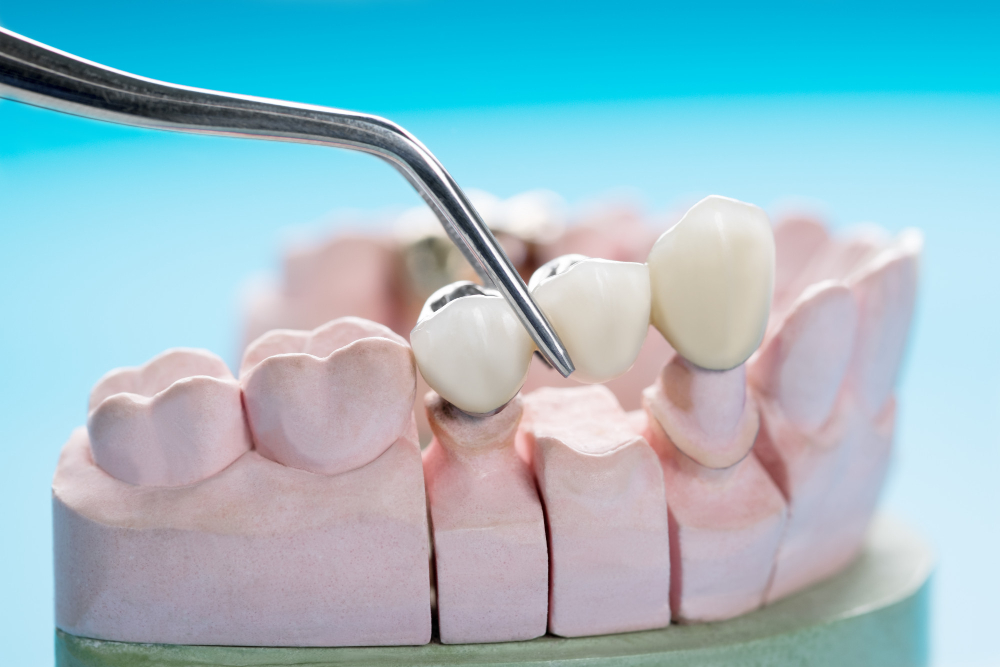
A dental crown is a custom-made cap that fits over the entire visible surface of a tooth, from the gumline up. It encases the tooth completely, restoring its shape, size, strength, and appearance.
Crowns are made from a variety of materials depending on the location of the tooth, the patient’s aesthetic preferences, and the clinical requirements of the case. The most commonly used materials include porcelain, ceramic, porcelain fused to metal, and in some cases full metal alloys for teeth that bear significant chewing forces.
Porcelain and ceramic crowns are the most popular choice for visible teeth because they can be matched closely to the colour and translucency of the surrounding natural teeth. They look completely natural, and most patients find that nobody can tell the difference between a well-made porcelain crown and a natural tooth.
When Is a Dental Crown Needed?
There are several clinical situations where a dentist in Woodbridge, Ontario will recommend a crown as the most appropriate treatment option.
Severely Decayed Teeth
When a cavity becomes too large to be restored with a filling, a crown is needed to rebuild and protect what remains of the tooth structure. A filling works by filling a gap in the tooth. When the gap becomes too large, there is not enough healthy tooth structure remaining to support a filling reliably. A crown covers and protects the entire remaining structure, preventing further breakdown.
Cracked or Fractured Teeth
A cracked tooth that has not yet split completely can often be saved with a crown. The crown holds the tooth together and prevents the crack from spreading further under the pressure of biting and chewing. Without a crown, a cracked tooth is at significant risk of fracturing completely, which can result in the loss of the tooth entirely.
Cracks are not always visible to the naked eye and are sometimes identified through clinical examination and X-rays during a routine visit to a dental clinic in Woodbridge.
After Root Canal Treatment
Teeth that have had root canal treatment are more brittle than untreated teeth because the removal of the pulp eliminates the tooth’s internal blood supply. Without the moisture provided by the pulp, the tooth becomes more susceptible to fracture over time.
Placing a crown over a root canal-treated tooth protects it from the forces of chewing and significantly extends its lifespan. For back teeth that bear the majority of chewing load, a crown after root canal treatment is almost always recommended. You can learn more about this connection by reading about root canal treatment Woodbridge.
Broken or Worn Down Teeth
Teeth that have broken due to trauma or that have worn down significantly due to teeth grinding or acid erosion may not have enough remaining structure to function properly. A crown rebuilds the tooth to its correct shape and height, restoring both function and appearance.
Patients who grind their teeth and have been diagnosed with bruxism often require crowns to restore teeth that have been worn beyond what can be addressed with bonding or other less invasive treatments.
Supporting a Dental Bridge
When a dental bridge is used to replace one or more missing teeth, the teeth on either side of the gap are prepared and fitted with crowns. These crowned teeth act as anchors that support the bridge and hold the replacement tooth or teeth in position. You can learn more about this option through the crowns and bridges Woodbridge page.
Cosmetic Improvement
In some cases, crowns are used for cosmetic purposes to improve the appearance of teeth that are severely discoloured, misshapen, or poorly proportioned in ways that cannot be addressed effectively with veneers or bonding. This application of restorative dentistry in Woodbridge is less common than the functional uses but is an option for patients with significant cosmetic concerns.
The Dental Crown Procedure: What to Expect
Getting a dental crown typically involves two appointments at a dental crowns Woodbridge practice, though same-day crowns using in-office milling technology are available at some clinics.
First Appointment: Preparation
The first appointment involves preparing the tooth to receive the crown. Your dentist will administer a local anaesthetic to numb the tooth and surrounding tissue so the procedure is comfortable throughout.
Once the area is numb, the tooth is reshaped by removing a small amount of the outer structure from all surfaces. This creates space for the crown to fit over the tooth without making the restored tooth larger than its natural size. The amount of tooth structure removed depends on the type of crown being placed and the condition of the tooth.
After reshaping, your dentist will take an impression of the prepared tooth and the surrounding teeth. This impression is sent to a dental laboratory where your custom crown is fabricated. The process typically takes one to two weeks.
Before you leave the first appointment, a temporary crown is placed over the prepared tooth to protect it while the permanent crown is being made. The temporary crown is made from a provisional material and is not as strong as the final restoration, so some care is needed during this period.
Between Appointments
While wearing a temporary crown, there are a few practical considerations worth keeping in mind.
Avoid sticky or chewy foods that could dislodge the temporary crown. Be gentle when flossing around the temporary, sliding the floss out sideways rather than lifting it, which can pull the temporary off. Some sensitivity to temperature and pressure is normal while the temporary is in place.
If the temporary crown comes off before your second appointment, contact your dental clinic Woodbridge promptly to have it recemented. Leaving the prepared tooth uncovered for an extended period can cause discomfort and may allow the tooth to shift slightly.
Second Appointment: Fitting the Permanent Crown
When your permanent crown is ready, you return for the fitting appointment. Your dentist will remove the temporary crown and thoroughly clean the prepared tooth before trying the permanent crown in place.
The fit, shape, and colour of the crown are carefully checked before it is cemented permanently. Your dentist will also assess your bite to ensure the crown does not sit higher than the surrounding teeth, which would cause uneven pressure during chewing. Any necessary adjustments are made at this stage.
Once everything is confirmed, the crown is bonded permanently to the tooth using a dental cement. After the cement sets, the procedure is complete, and the restored tooth is ready to function normally.
How Long Do Dental Crowns Last?
With proper care, dental crowns Woodbridge patients receive typically last between 10 and 15 years. Many crowns last considerably longer. The lifespan depends on several factors, including the material used, the location of the crown in the mouth, and how well it is maintained.
Crowns on back teeth that bear significant chewing forces tend to experience more wear over time than crowns on front teeth. Patients who grind their teeth place additional stress on crowns and may find their restorations need replacing sooner without proper management of the grinding habit.
A crown that is well cared for and regularly monitored at dental checkups has every reason to last well beyond the average lifespan estimate.
How to Look After Your Dental Crown
A crown restores the visible portion of the tooth, but the tooth root and surrounding gum tissue remain natural and require the same care as any other tooth.
- Brush twice daily using a soft-bristled toothbrush, paying close attention to the gumline where the crown meets the natural tooth
- Floss daily around the crown to remove plaque and debris from between the teeth
- Avoid biting down on very hard foods such as ice, hard sweets, or hard crusts directly on the crown
- Wear a custom night guard if you grind or clench your teeth to protect the crown from excessive force
- Attend regular checkups at your tooth crown Vaughan dental practice so your dentist can monitor the condition of the crown and the tooth beneath it
Decay can still develop at the margin where the crown meets the tooth root if oral hygiene is not maintained. Regular professional cleanings and checkups are the most reliable way to catch any developing issues early.
Frequently Asked Questions
Does getting a dental crown hurt?
The preparation procedure is carried out under local anaesthetic so the tooth and surrounding area are fully numb throughout. Most patients report that the procedure is no more uncomfortable than having a filling placed. Some sensitivity and mild soreness in the area is normal for a few days after the appointment and typically resolves on its own.
Can a crowned tooth get a cavity?
The crown itself cannot decay, but the natural tooth structure beneath the crown, particularly at the margin where the crown meets the root, can still be affected by decay if oral hygiene is not maintained. This is one of the reasons regular dental checkups remain important even after a crown is placed.
What is the difference between a crown and a veneer?
A veneer covers only the front surface of a tooth and is used primarily for cosmetic improvements on teeth that are otherwise structurally sound. A crown covers the entire tooth and is used when the tooth requires structural protection or restoration. The two serve different purposes, and the appropriate choice depends on the condition of the tooth and the clinical situation. Learn more about veneers through the porcelain veneers Woodbridge page.
How do I know if my crown needs to be replaced?
Signs that a crown may need attention include sensitivity or pain around the crowned tooth, visible damage such as chipping or cracking, a change in the way the crown feels when biting, or visible darkening at the gumline. Any of these signs should be discussed with your dentist at the next available opportunity.
Is it normal for a new crown to feel different when biting?
Some adjustment to the feel of a new crown is normal in the first few days. If the bite feels uneven or if there is persistent discomfort when biting after the first week, contact your dental clinic Woodbridge to have the bite checked and adjusted. This is a straightforward adjustment that takes only a few minutes.
Restoring Your Tooth With Confidence
A dental crown is one of the most reliable and versatile restorative treatments available. Whether it is protecting a weakened tooth, restoring one that has been damaged, or completing a root canal treatment, a well-made and well-fitted crown can restore full function and appearance to a tooth that would otherwise continue to deteriorate.
Understanding what the procedure involves and what to expect at each stage takes away the uncertainty and allows you to approach your treatment with confidence. With proper care, a crown placed today can serve you reliably for many years to come.
At West Vaughan Dental, the team is here to explain your options clearly and ensure your treatment is as comfortable as possible. Learn more about dental crowns Woodbridge or get in touch through our Contact Us page to book your appointment.