
Losing teeth affects more than just the appearance of your smile. It changes the way you eat, the way you speak, and in many cases the way you feel about yourself in everyday social situations. For patients dealing with significant tooth loss, dentures remain one of the most accessible and widely used solutions available.
But not all dentures are the same. The type that is right for you depends on how many teeth you have lost, the condition of your remaining teeth and gums, and your long-term oral health goals. Understanding the difference between complete and partial dentures is the starting point for making a decision that works for your specific situation.
This guide is written for patients in Woodbridge and Vaughan who are exploring dentures Woodbridge options and want a clear, honest comparison before booking a consultation.
What Are Complete Dentures?
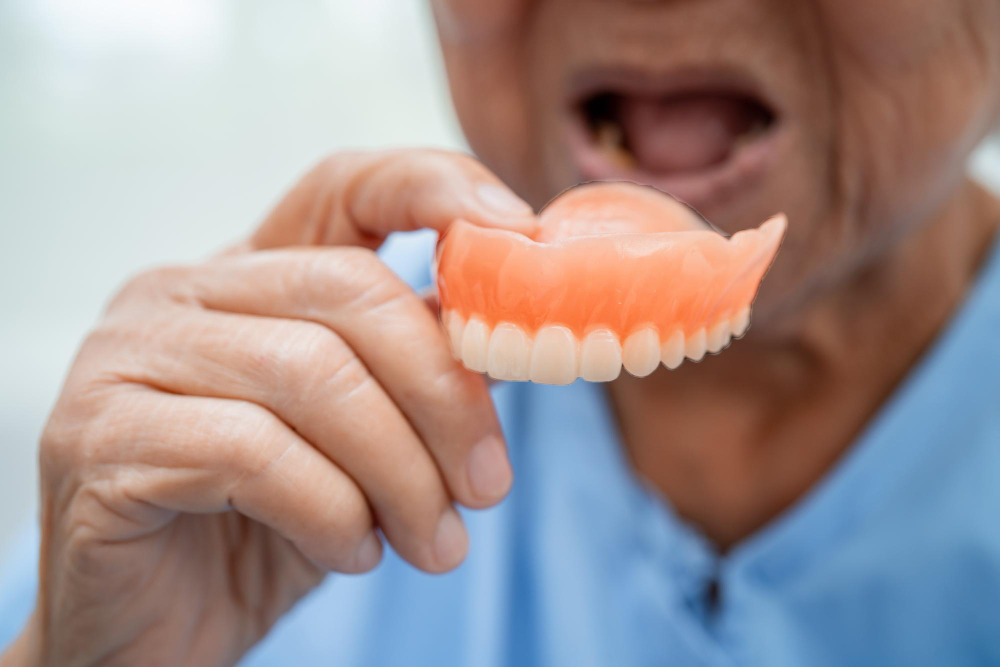
Complete dentures, also referred to as full dentures, are designed for patients who have lost all of their natural teeth in either the upper jaw, the lower jaw, or both. They consist of a full set of artificial teeth set into a gum coloured acrylic base that sits directly on the gum tissue.
Complete dentures are held in place through a combination of natural suction between the denture base and the gum tissue, and in some cases with the help of a dental adhesive. They are removable and should be taken out at night to allow the gum tissue to rest.
There are two types of complete dentures worth understanding.
Conventional complete dentures are made and fitted after the remaining teeth have been extracted and the gum tissue has fully healed. The healing process typically takes several months, during which the patient is without teeth.
Immediate complete dentures are made in advance and placed on the same day the remaining teeth are extracted. While this means the patient is never without teeth during the healing period, immediate dentures require more frequent adjustments as the gums change shape during healing and will likely need to be relined or replaced once healing is complete.
What Are Partial Dentures?
Partial dentures are designed for patients who have lost some but not all of their natural teeth. They fill the gaps left by missing teeth while the remaining natural teeth stay in place.
A partial denture consists of artificial teeth attached to a base that matches the colour of the gum tissue. This base is connected to a metal or acrylic framework that clips onto the remaining natural teeth using clasps or precision attachments to hold the denture securely in position.
Like complete dentures, partial dentures are removable. They should be taken out for cleaning and at night unless your dentist advises otherwise.
Partial dentures serve both a functional and a protective purpose. They restore chewing ability and speech clarity while also preventing the remaining natural teeth from shifting into the gaps left by missing teeth. This shifting, if left unaddressed, can affect the bite and lead to further dental complications over time.
Complete vs Partial Dentures: The Key Differences
Number of Missing Teeth
The most fundamental difference between the two options is straightforward. Complete dentures replace an entire arch of teeth. Partial dentures replace some teeth within an arch where healthy natural teeth remain.
If you still have viable natural teeth that can be preserved, a partial denture is almost always the preferred option because it works alongside those teeth rather than replacing them entirely.
Stability and Fit
Complete dentures rely on suction and the shape of the gum ridge for stability. This can be a source of frustration for some patients, particularly with lower complete dentures where the ridge is flatter, and suction is less reliable. Movement during eating or speaking is a common concern for patients adjusting to full dentures.
Partial dentures have the advantage of anchoring to existing natural teeth, which provides considerably more stability. The clasps that attach to the natural teeth keep the partial denture securely in position during normal function.
Impact on Remaining Teeth
For patients considering partial dentures in Vaughan, it is worth understanding that the clasps used to anchor the denture place some degree of force on the teeth they attach to. Over time, this can cause wear on those teeth if the denture is not properly fitted and maintained. Regular checkups at a dental clinic in Woodbridge allow your dentist to monitor the condition of the anchor teeth and make adjustments as needed.
Adjustments Over Time
Both types of dentures require adjustments as the jawbone and gum tissue change shape over time. This process, known as bone resorption, occurs naturally after tooth loss because the roots of the teeth are no longer present to stimulate the underlying bone.
Complete dentures typically require more frequent relining or replacement over time because the loss of an entire arch of teeth results in more significant bone changes. Partial dentures are affected by bone resorption in the areas of missing teeth, but the presence of natural tooth roots in other areas helps slow the process.
Implant Supported Options: A Third Path Worth Considering
For patients who are concerned about the stability and long-term fit of conventional dentures, implant-supported options offer a significant improvement in both areas.
Implant dentures Vaughan patients choose involve placing a small number of dental implants into the jawbone to act as anchors for the denture. The denture clips onto these implants rather than relying on suction or natural teeth for support. This eliminates the movement that many patients find problematic with conventional complete dentures and provides a level of confidence during eating and speaking that is not achievable with a conventional full denture.
An additional benefit of implant-supported dentures is that the implants themselves stimulate the jawbone, slowing the bone resorption process that occurs after tooth loss. This helps maintain the shape of the jaw over time in a way that conventional dentures cannot.
Implant-supported options involve a surgical component and a higher upfront cost than conventional dentures. However, for patients who are suitable candidates and are concerned about long-term stability, the difference in function and comfort is considerable. A thorough assessment at a dental clinic in Woodbridge will clarify whether implant-supported options are appropriate for your situation.
For patients who are also missing teeth and considering all available options, learning more about dental implants Woodbridge alongside dentures gives a complete picture of what is available.
How Dentures Are Made and Fitted
Regardless of which type of denture is appropriate for your situation, the process of having them made and fitted follows a similar sequence.
Your dentist will take detailed impressions of your mouth to create an accurate model of your jaw and remaining teeth. These impressions are used to fabricate the denture to your specific measurements. Several appointments are typically involved to ensure the fit, bite, and appearance are correct before the final denture is delivered.
Once the denture is fitted, a period of adjustment is normal. Speaking and eating with a new denture takes practice, and the gum tissue may need time to adapt to the presence of the appliance. Follow-up appointments allow your dentist to identify any areas of irritation and make the necessary adjustments for comfort.
Caring for Your Dentures
Proper care extends the lifespan of dentures Vaughan patients rely on and maintains the health of the underlying gum tissue.
- Remove and rinse dentures after every meal to clear food debris
- Brush dentures daily with a soft brush and a non-abrasive denture cleaner, not regular toothpaste, which is too abrasive for denture material
- Soak dentures overnight in a denture solution or plain water to prevent them from drying out and warping
- Clean your gums, tongue, and any remaining natural teeth thoroughly before reinserting the denture
- Handle dentures carefully over a folded towel or basin of water to prevent breakage if dropped
- Attend regular checkups at your dental clinic Woodbridge, so your dentist can monitor the fit and condition of the denture and the health of the underlying tissue
Frequently Asked Questions
How long do dentures last?
With proper care, dentures typically last between five and ten years before they need to be replaced. However, relining or rebasing may be required sooner as the jaw changes shape over time. Regular dental checkups allow your dentist to monitor the fit and advise when adjustments or replacement are needed.
Can I eat normally with dentures?
Most patients adjust to eating with dentures over time. Starting with softer foods and cutting food into smaller pieces makes the adjustment period easier. Some foods, particularly very hard or sticky items, remain challenging with complete dentures due to the movement involved. Implant-supported dentures offer significantly better stability for eating.
Will dentures affect my speech?
Some patients notice changes in speech when they first get dentures, particularly with certain sounds. This typically improves as the mouth adjusts to the denture over the first few weeks. Practicing speaking aloud and reading helps speed up the adjustment process.
How do I know if my dentures need to be relined?
Signs that a reline may be needed include the denture feeling loose or moving during eating or speaking, sore spots developing on the gum tissue, or difficulty chewing previously manageable foods. Any of these signs should be discussed with your dentist rather than managing them with increased amounts of adhesive.
Are partial dentures noticeable to others?
Modern partial dentures are designed to blend naturally with the remaining teeth and gum tissue. The metal clasps used for attachment may be visible depending on their position in the mouth. Precision attachment partial dentures, which use hidden connectors rather than visible clasps, are available for patients concerned about aesthetics.
Finding the Right Solution for Your Smile
The choice between complete and partial dentures comes down to your specific clinical situation, your lifestyle, and your long-term oral health goals. Neither option is universally better. Both can restore function and appearance effectively when they are the right fit for the patient and when they are properly maintained.
The most important step is getting a thorough assessment so the recommendation is based on what will actually work best for your mouth rather than a general assumption. Understanding all available options, including implant-supported alternatives, gives you the full picture before making a decision.
At West Vaughan Dental, the team is here to help you navigate your options clearly and without pressure. Learn more about dentures Woodbridge or get in touch through our Contact Us page to book a consultation.