
Many adults carry the same thought for years. They were not able to get orthodontic treatment when they were younger, or perhaps they did, and their teeth have shifted since then. They notice the misalignment every time they look in the mirror but assume that braces or aligners are something reserved for teenagers and that the window for treatment has long since closed.
This assumption is incorrect. There is no age limit on orthodontic treatment, and adults make up a significant and growing proportion of Invisalign patients worldwide. The question is not whether treatment is possible as an adult but whether it is right for your specific situation and what it realistically involves.
This guide is written for adult patients in Woodbridge and Vaughan who have been considering straightening their teeth but want honest, practical information before making any decisions.
Is Invisalign Suitable for Adults?
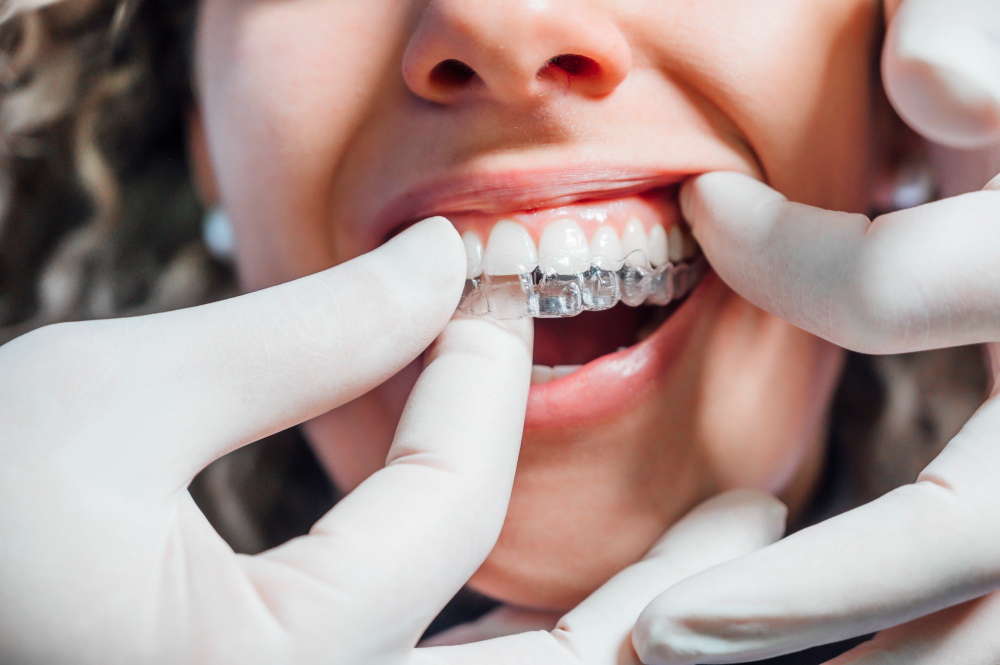
Invisalign is suitable for adults in most cases. The treatment uses a series of custom-made clear plastic aligners that gradually shift the teeth into their correct positions over time. Because the aligners are virtually invisible when worn, they are particularly well suited to adult patients who are concerned about the appearance of traditional metal braces in professional or social settings.
The factors that determine suitability for Invisalign Woodbridge are based on the clinical complexity of the case rather than the patient’s age. Mild to moderate alignment issues, crowding, spacing, and certain bite corrections are all treatable with Invisalign for most adult patients. More complex orthodontic cases may still require traditional braces or a combination of approaches, but the range of issues Invisalign can address has expanded considerably as the technology has advanced.
A thorough assessment at an orthodontic treatment Vaughan practice is the only reliable way to determine whether Invisalign is the right option for your specific teeth. General statements about suitability based on age alone are not clinically meaningful.
Why Adults Seek Orthodontic Treatment
Adult patients seek orthodontic treatment for a wide range of reasons, and the motivations differ considerably from those of younger patients.
Some adults had orthodontic treatment in their teens but did not wear their retainer consistently afterward. Teeth have a natural tendency to shift back toward their original positions without ongoing retainer wear, and over the years this movement can undo some or all of the results achieved during treatment. For these patients, Invisalign offers an opportunity to correct the relapse without going back to fixed braces.
Others never had the opportunity for treatment when they were younger and have simply lived with misalignment for decades. For many of these patients, the decision to pursue treatment as an adult comes after a significant life event such as a new career opportunity, an upcoming wedding, or simply reaching a point where the concern is no longer something they want to put aside.
Some patients seek treatment primarily for functional reasons rather than cosmetic ones. Crowded or misaligned teeth are harder to clean effectively, which increases the risk of cavities and gum disease over time. Correcting alignment through Invisalign treatment can make home care more effective and reduce the long-term risk of dental problems.
How Invisalign Fits Into an Adult Lifestyle
One of the most common concerns adult patients raise is how orthodontic treatment will fit into their daily life. Unlike teenagers who are accustomed to visible braces as a normal part of growing up, adults often have professional environments, social commitments, and lifestyle habits that make the prospect of obvious orthodontic appliances unappealing.
Appearance During Treatment
Invisalign aligners are made from a clear thermoplastic material that is virtually undetectable when worn. Most people will not notice you are wearing aligners unless they are looking very closely. For patients in client-facing roles or those who simply prefer to keep their treatment private, this is one of the most significant practical advantages of Invisalign over traditional braces.
Eating and Drinking
Because Invisalign aligners are removable, there are no food restrictions during treatment. Aligners are taken out before eating and drinking anything other than water and reinserted afterward. This means no adjustments to your diet and no navigating around brackets and wires during meals.
Oral Hygiene
Maintaining good oral hygiene during Invisalign treatment is considerably easier than with fixed braces. Because the aligners are removed for brushing and flossing, you clean your teeth exactly as you normally would. The aligners themselves are cleaned separately with a soft toothbrush and water or a dedicated aligner cleaning solution.
Time Commitment
Invisalign check-in appointments are typically less frequent than traditional braces adjustment visits. Most patients attend every six to eight weeks to monitor progress and collect new aligners. For adults with demanding schedules, this reduced appointment frequency is a practical advantage.
What Adult Invisalign Treatment Involves
The Initial Consultation
The process begins with a comprehensive assessment of your teeth, bite, and jaw. Your dentist or orthodontist will take detailed records including photographs, X-rays, and digital scans of your teeth. These records are used to plan your treatment and produce a digital preview of the projected tooth movements.
The digital treatment plan shows the anticipated movement of your teeth from their current position to their final position, giving you a clear picture of what the treatment is working toward before anything begins.
Receiving Your Aligners
Once your aligners are fabricated, you will receive your first set at a fitting appointment. Your dentist will ensure the aligners fit correctly and explain how to insert and remove them, how long to wear them each day, and when to progress to the next set in the series.
Adults are advised to wear their aligners for 20 to 22 hours per day. This is non-negotiable for achieving results on schedule. The flexibility of being able to remove the aligners comes with the responsibility of wearing them consistently. Patients who remove them more frequently than necessary will find their treatment takes longer than planned.
Attachments
Some Invisalign treatment plans require small tooth coloured attachments to be bonded to certain teeth. These attachments act as handles that give the aligners something to push against for more precise tooth movements. They are made from the same composite material used for tooth coloured fillings and are not particularly noticeable, though they are more visible than the aligners themselves.
Refinements
It is common for adult Invisalign treatment to include a refinement phase toward the end of the planned treatment. Refinements involve taking new scans and fabricating additional aligners to achieve any final adjustments needed before treatment is complete. This is a normal part of the process rather than an indication that anything has gone wrong.
How Long Does Adult Invisalign Treatment Take?
Treatment duration varies depending on the complexity of the case and the extent of movement required. For mild cases, treatment can be completed in as little as six to twelve months. More complex adult cases typically take between twelve and twenty-four months.
Adults who have had previous orthodontic treatment and are correcting relapse often find their treatment is on the shorter end of the range because the teeth are moving back toward positions they have previously occupied.
Compliance is the single biggest factor within the patient’s control when it comes to treatment timeline. Wearing aligners for the full recommended hours each day keeps treatment on schedule. Inconsistent wear extends it.
What Happens After Treatment
Retainer wear after Invisalign treatment is not optional. Teeth have a natural tendency to shift back toward their pre-treatment positions once the active phase of treatment ends. A retainer holds the teeth in their new positions while the surrounding bone and tissue adapt and stabilize.
Most patients are advised to wear their retainer full time for an initial period following treatment and then transition to nighttime wear only. The specifics depend on your individual case, and your dentist will provide clear guidance on what is required.
Patients who complete treatment and do not wear their retainer consistently are likely to experience some degree of relapse over time. This is one of the most important pieces of information for adult patients to understand before beginning treatment.
For patients who have completed treatment and want to protect their results alongside other cosmetic improvements, options including teeth whitening Woodbridge and porcelain veneers Woodbridge can complement the outcome of orthodontic treatment for a more comprehensive smile improvement.
Frequently Asked Questions
Is there an age limit for Invisalign treatment?
No. Invisalign is suitable for adults of any age provided the teeth and gums are healthy, and the case complexity is within the range the treatment can address. Age alone is not a determining factor in suitability.
Does Invisalign hurt?
Some discomfort is normal when switching to a new set of aligners, typically for the first day or two as the teeth begin to move. This is generally described as pressure rather than pain and subsides quickly. It is considerably less disruptive than the soreness associated with wire adjustments in traditional braces.
Can Invisalign fix my bite as well as straightening my teeth?
Invisalign can address certain bite issues, including mild to moderate overbite, underbite, crossbite, and open bite. More complex bite corrections may require traditional orthodontic treatment or a combination of approaches. Your dentist will assess your bite as part of the initial consultation and advise on the most appropriate treatment plan.
What happens if I lose an aligner?
Contact your dental practice as soon as possible. Your dentist will advise whether to move forward to the next aligner in the series or order a replacement. There may be an additional cost for replacement aligners, so handling them carefully and storing them in their case when not in use is important.
Will my teeth shift back after Invisalign?
Without consistent retainer wear, some degree of shifting is likely over time. This applies to all orthodontic treatment, not just Invisalign. Wearing your retainer as directed after treatment is what protects the results long term.
Straightening Your Teeth as an Adult Is More Achievable Than You Think
The belief that orthodontic treatment is only for teenagers has kept many adults from pursuing a result they have wanted for years. The reality is that healthy teeth can be moved at any age, and Invisalign offers a treatment experience that fits comfortably into an adult lifestyle without the visibility or dietary restrictions of traditional braces.
The most important step is getting an honest assessment of your specific situation, so you have a clear picture of what treatment involves and what results are realistically achievable for your teeth.
At West Vaughan Dental, the team is here to help you explore your options without pressure. Learn more about Invisalign Woodbridge or get in touch through our Contact Us page to book a consultation.